How Acer Diversifies into Medical Tech and Scalable AI for a Super-Aging World
Judy Lin 林昭儀
Jun 08, 2026
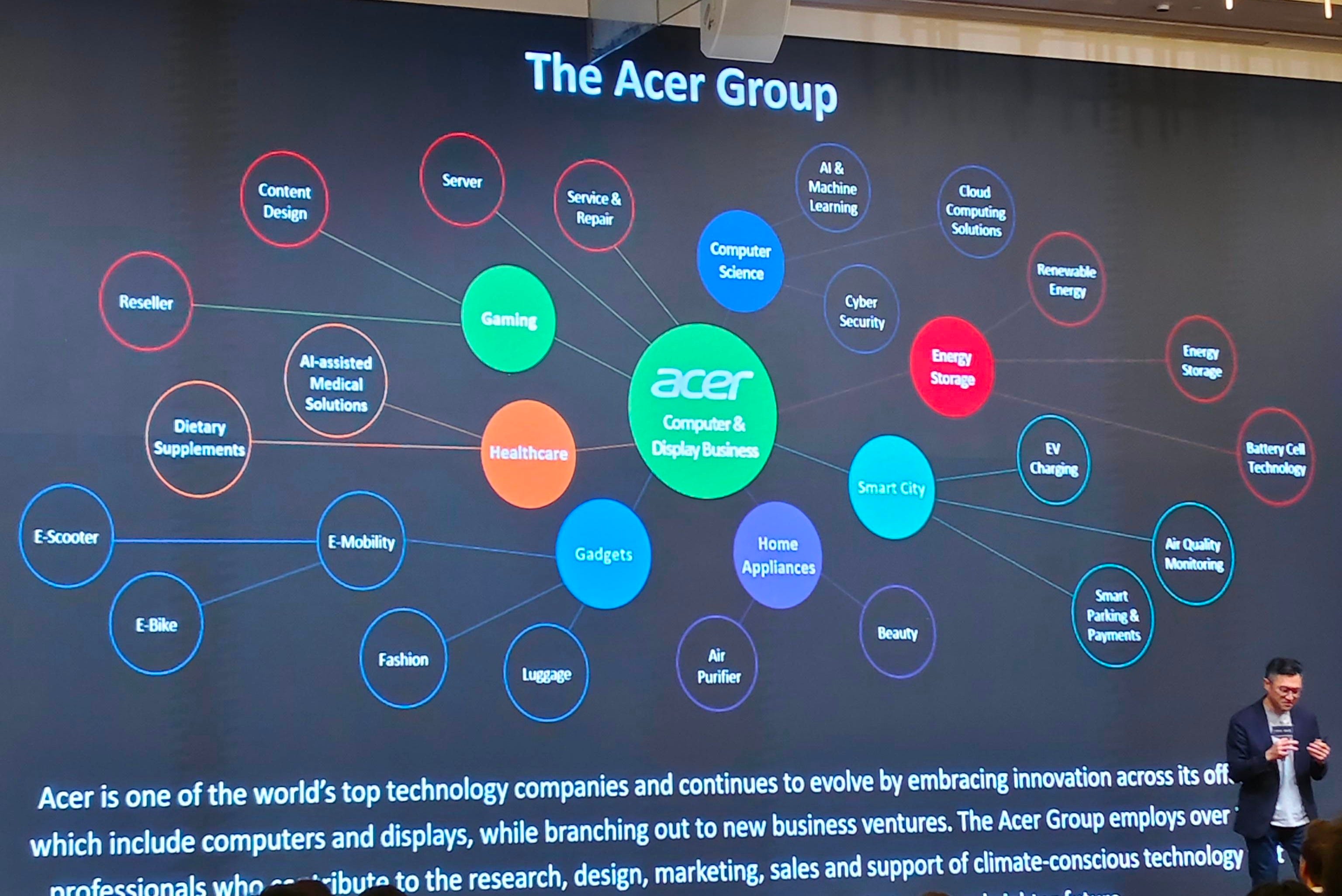
Amid the usual buzz of next-generation chips and computing power, Dr. Allen Lien (MD, Dr. Ph.), Chairman and CEO of Acer Medical Inc., took the stage of a pre-event forum of Computex to deliver a compelling vision of a different frontier: the transformation of global healthcare through artificial intelligence (AI).
Lien mentioned that Acer is celebrating its 50th anniversary, highlighting how the tech conglomerate—famed for its PC roots—has spent the last decade diversifying into gaming, cybersecurity, and now, medical technology. Since 2018, Acer Medical has been consolidating health tech under one roof, charting a course through what Lien describes as the “four pillars” of healthcare AI.
To the global tech press, he might just look like another executive in a suit. Still, in Taiwan, Dr. Allen Lien (連加恩) is a household name with a legendary background in humanitarian medicine.
Twenty years ago, he chose a completely unconventional path for a top-tier Taiwanese medical graduate. Instead of taking a lucrative hospital residency, he went to Burkina Faso in West Africa as part of Taiwan’s first batch of diplomatic medical alternative service. While there, he famously launched the “Garbage for Used Clothes” campaign to clean up local villages, dug water wells, and founded an orphanage (Lien-En Elementary School). His early life was so high-profile it was even adapted into a major Taiwanese television drama (45°C Sky).
He holds a PhD in Public Health from Harvard, served as an epidemic prevention physician for Taiwan’s CDC, and spent years doing medical diplomacy across Africa.
Pillar 1: Predictive AI and the Myth of the Replaced Doctor
Lien began his keynote by addressing a famous 2016 prediction by “Godfather of AI” Geoffrey Hinton, who boldly claimed the world should stop training radiologists because AI would soon outperform them.
“AI didn’t replace radiologists,” Lien noted, pointing out that demand—and salaries—for these specialists have actually soared. Instead, Acer Medical has focused on predictive AI as an essential co-pilot for clinicians.

Acer’s predictive algorithms are already deployed in 730 facilities worldwide, fundamentally altering how chronic illnesses are screened:
- Osteoporosis: Edge-computing AI analyzes standard chest X-rays to read bone marrow density, eliminating the need for sending everyone for high-radiation, low-access specialized scans.
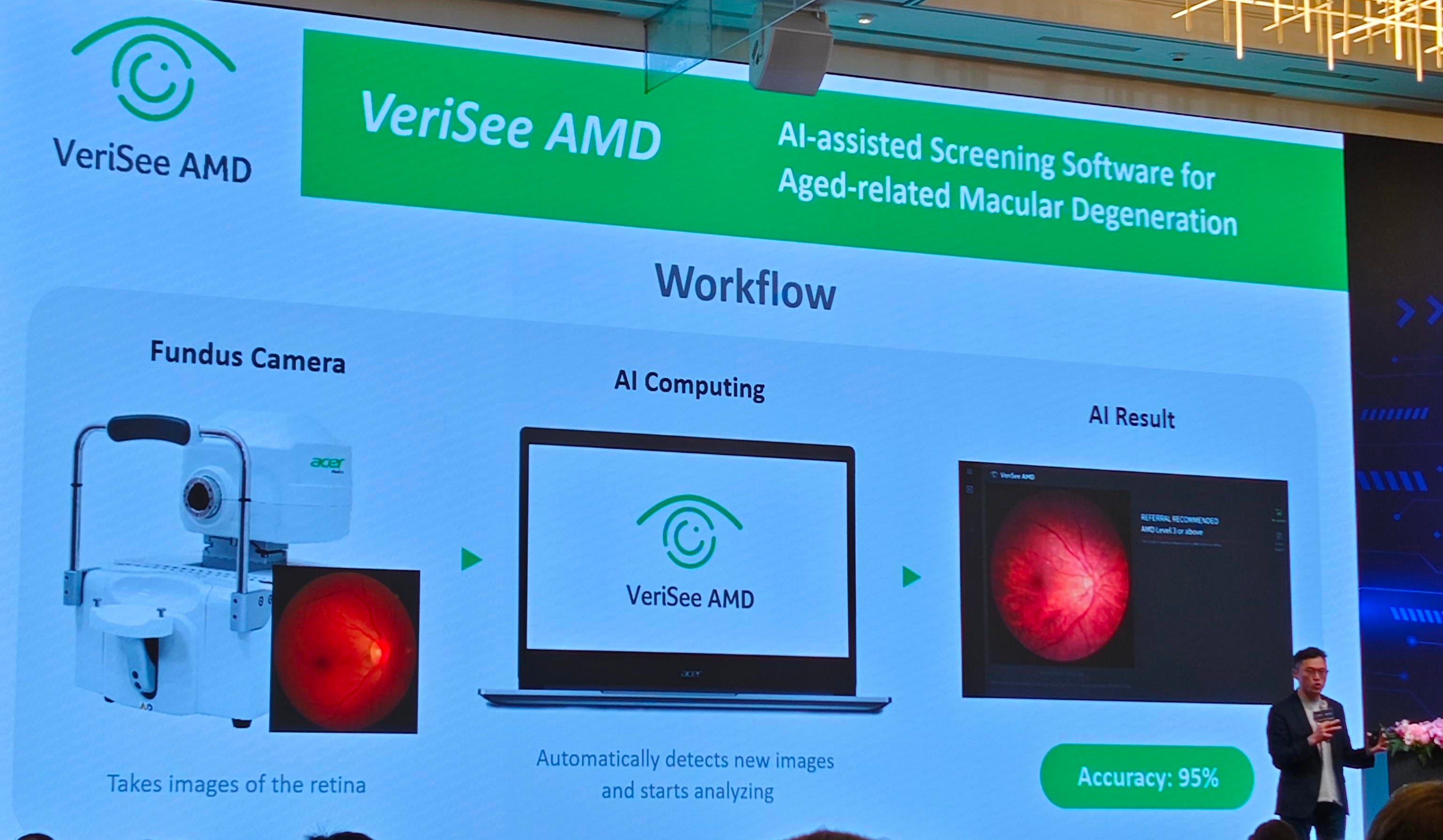
- Diabetic Retinopathy & Blindness: By reading simple fundus photos, Acer’s AI filters which diabetic patients genuinely need an ophthalmologist, drastically reducing the burden on overloaded clinics. The same image can detect Age-related Macular Deterioration (AMD)—the world’s leading cause of blindness.
- Glaucoma: Lien revealed a startling statistic: while Western clinics rely heavily on measuring intraocular pressure, more than 80% of glaucoma cases among Asians present with normal pressure, rendering traditional “air puff” tests ineffective. Acer’s AI, however, catches it directly from the image.
This technology is actively bridging healthcare inequities globally. Lien cited examples ranging from the US-affiliated Marshall Islands, where 30% of adults suffer from diabetes, to rural Thailand, where an AI deployment could instantly halve the daily 400-patient backlog of a single eye doctor. Closer to home, the software is bringing advanced health screenings to remote mountain communities like Taiwan’s Lishan.
Pillar 2: Generative AI and “Building on a Rock”
As the industry shifts into the era of Large Language Models (LLMs), Acer Medical is introducing specialized AI medical agents—including automated cardiologists and endocrinologists—to debate patient data and compress the labor-intensive two-to-four-week wait for health checkup summaries into mere minutes.
However, Lien issued a stern warning against relying on off-the-shelf internet-scraped models from tech giants like Meta or OpenAI.
“When you build your house on sand, it’s gonna make the building very, very shaky… You want to build your house on a rock,” Lien cautioned, noting that generic AI is riddled with internet biases and lacks critical medical and regional context.
Acer is building its “rock” through a localized knowledge approach. Medical realities differ by geography—for example, due to pharmacogenomics, a stroke patient in Asia may require only one-third of the anticoagulant dosage given to a Western patient. Furthermore, Acer has trained its “AI Scribe” software to understand hyper-localized medical jargon, such as Taiwanese personnel saying “blood kah” instead of “blood culture.” In a real-world trial in Pingtung, this scribe successfully processed a complex 30-minute consultation between a nutritionist and a patient into an accurate diagnosis and scoring sheet in exactly one second.
Pillar 3: AIoT and Preventative Motion Tracking
Moving away from hospital-centric care, Acer’s third pillar leverages the Internet of Medical Things (AIoT) to keep people from getting sick in the first place.
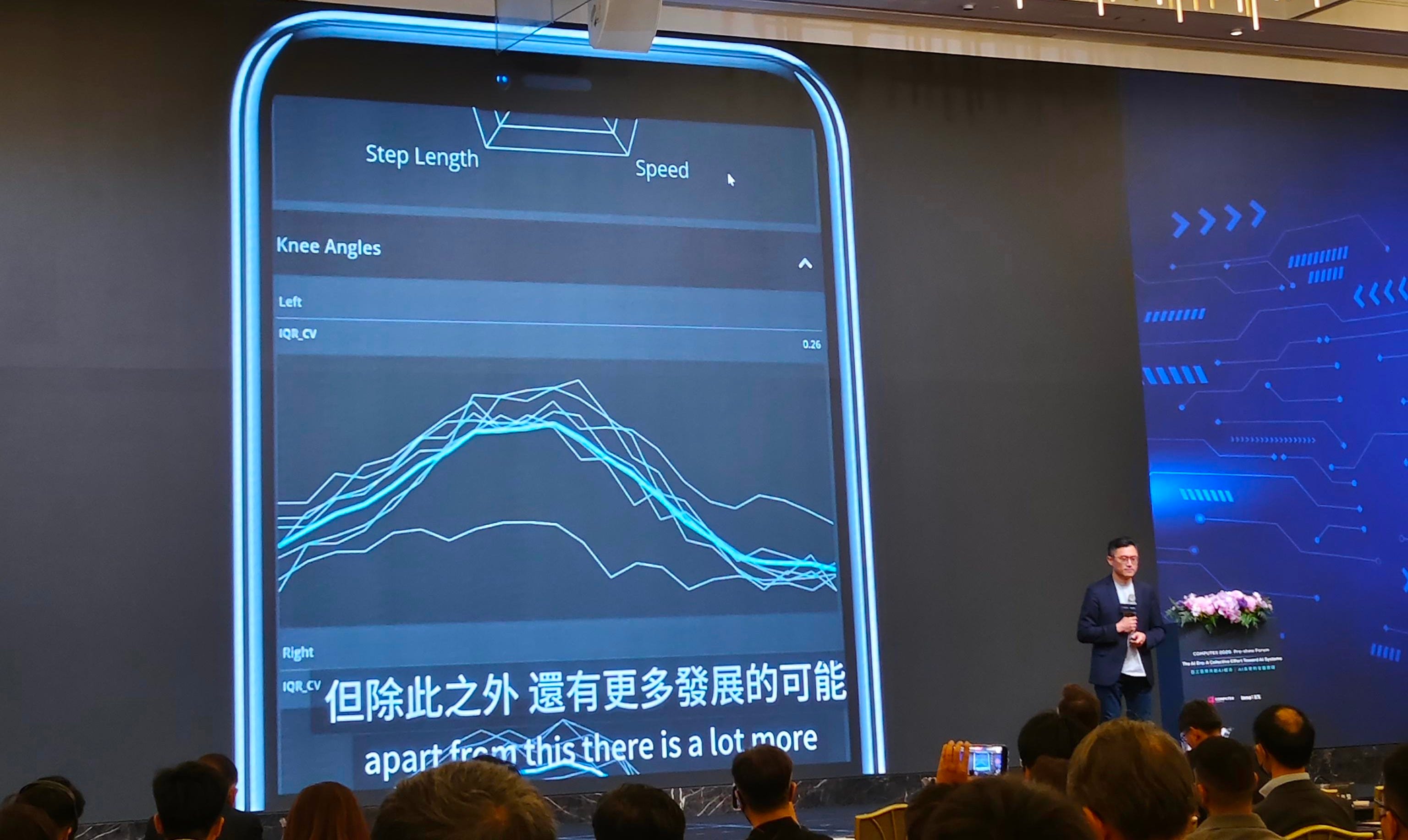
A standout innovation is aiGait, a clinical application utilizing advanced motion-analysis technology originally developed to help judges score world gymnastics championships. While human eyes—and even seasoned judges—struggle to spot a three-degree variance in a gymnast’s split, the AI quantifies it perfectly.
Acer has adapted this to help doctors track subtle neurological and gait changes in stroke or Parkinson’s patients. Paired with wearable devices and conversational chatbots, this system acts as an automated case manager, capable of reducing the devastating 15% risk of a second stroke within a year by an estimated 5%.
Pillar 4: The Frontier of Cancer Vaccines
Lien closed his address with a poignant glimpse into the fourth pillar: using AI to design highly personalized cancer vaccines and cell therapies.
He shared the bittersweet story of a compassionate-use case involving a young woman in her twenties battling an aggressive, end-stage abdominal cancer. Before Acer’s intervention, she required invasive tumor-bulking surgeries every month or two. Acer used AI to design a patient-specific neo-antigen-treated dendritic cell therapy that successfully halted the disease’s progression, shrunk her abdomen, and allowed her to travel again.
Tragically, administrative delays in approving her second round of compassionate-use therapy meant the team ultimately lost her. Yet, Lien emphasized that the medical breakthrough provided ironclad proof of concept.
“That gave us a lot of confidence that this is really something that we have in hand to fight cancer,” Lien concluded, leaving the Computex audience with an inspiring final thought. “Through the advent of AI application in healthcare… in this human race against tumors, I think we are on the winning side.”Subscribe
Source of the article:From Laptops to Life-Saving AI: Acer’s Pivot to Fix the Global Doctor Shortage